If you live in the Minneapolis metro area, your roof takes a beating.
Between heavy snow, ice dams, hailstorms, high winds, and summer heat, Minnesota weather is one of the toughest environments for roofing systems in the country.
Here’s what that means for homeowners — and what you should be watching for.
1. Snow Load & Ice Dams
Minnesota winters regularly bring heavy snow accumulation. That snow sits on your roof for months at a time.
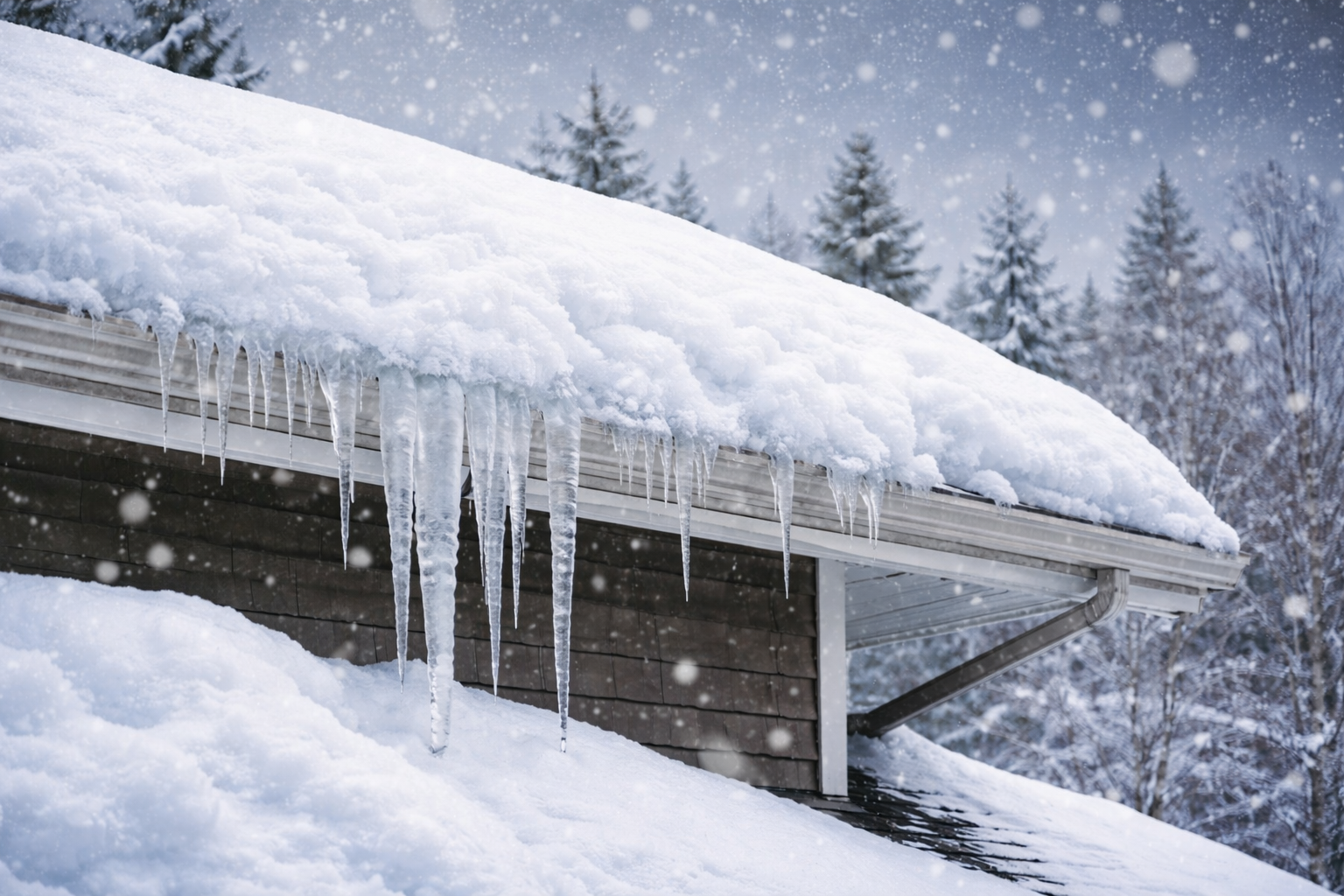
When attic insulation or ventilation isn’t working properly, heat escapes from your home and melts the snow. The melted water runs down and refreezes at the eaves — creating ice dams.
Ice dams can:
-
Force water under shingles
-
Cause interior leaks
-
Damage gutters
-
Lead to mold or insulation issues
What to watch for:
-
Large icicles along gutters
-
Water stains on ceilings in winter
-
Ice buildup at roof edges
If you’re seeing these signs, it’s worth having your roof inspected before the next winter hits.
2. Hail & Wind Damage
Spring and summer storms in the Twin Cities often bring hail and strong wind gusts.
Hail can:
-
Bruise or crack shingles
-
Knock granules loose
-
Shorten the lifespan of your roof
Wind can:
-
Lift or tear shingles
-
Expose underlayment
-
Create entry points for water
The tricky part? Not all storm damage is obvious from the ground.
What to watch for:
-
Shingles in your yard after a storm
-
Dark spots or patches on your roof
-
Neighbors getting new roofs (often a sign of area-wide storm damage)
After major storms in Minneapolis and surrounding suburbs, it’s smart to schedule a professional inspection — even if you don’t see leaks.
3. Freeze–Thaw Cycles
Minnesota’s temperature swings can be brutal. Repeated freezing and thawing causes roofing materials to expand and contract.
Over time, this can:
-
Crack flashing
-
Loosen fasteners
-
Open small gaps that allow water intrusion
These small issues often don’t show up immediately — but they compound over time.
4. Summer Heat & UV Exposure
It’s easy to focus on winter damage, but Minnesota summers can reach 90°+ with strong UV exposure.
That heat:
-
Accelerates shingle aging
-
Causes curling or blistering
-
Breaks down sealants
Older roofs (15–20 years) are especially vulnerable.
How Often Should You Inspect Your Roof in Minnesota?
For Minneapolis-area homes, we recommend:
-
A professional inspection every 1–2 years
-
An inspection after any major hail or wind storm
-
A quick visual check each spring and fall
Catching small issues early can prevent expensive interior damage later.
When Is It Time to Replace Instead of Repair?
You may want to consider replacement if:
-
Your roof is 20+ years old
-
You’ve had multiple repairs in recent years
-
Shingles are curling, cracking, or losing granules
-
There’s widespread storm damage
A quality roofing system isn’t just about shingles — it includes proper ventilation, flashing, underlayment, and installation specific to Minnesota’s climate.
Serving Minneapolis & the Surrounding Metro
If you’re unsure about your roof’s condition, a professional inspection can give you clarity.
Whether you’re in Minneapolis, Maple Grove, Plymouth, Edina, Minnetonka, or surrounding suburbs, understanding how Minnesota weather affects your roof helps you protect one of your home’s biggest investments.
If you have questions about your roof or recent storm damage, reach out for an inspection and honest assessment.